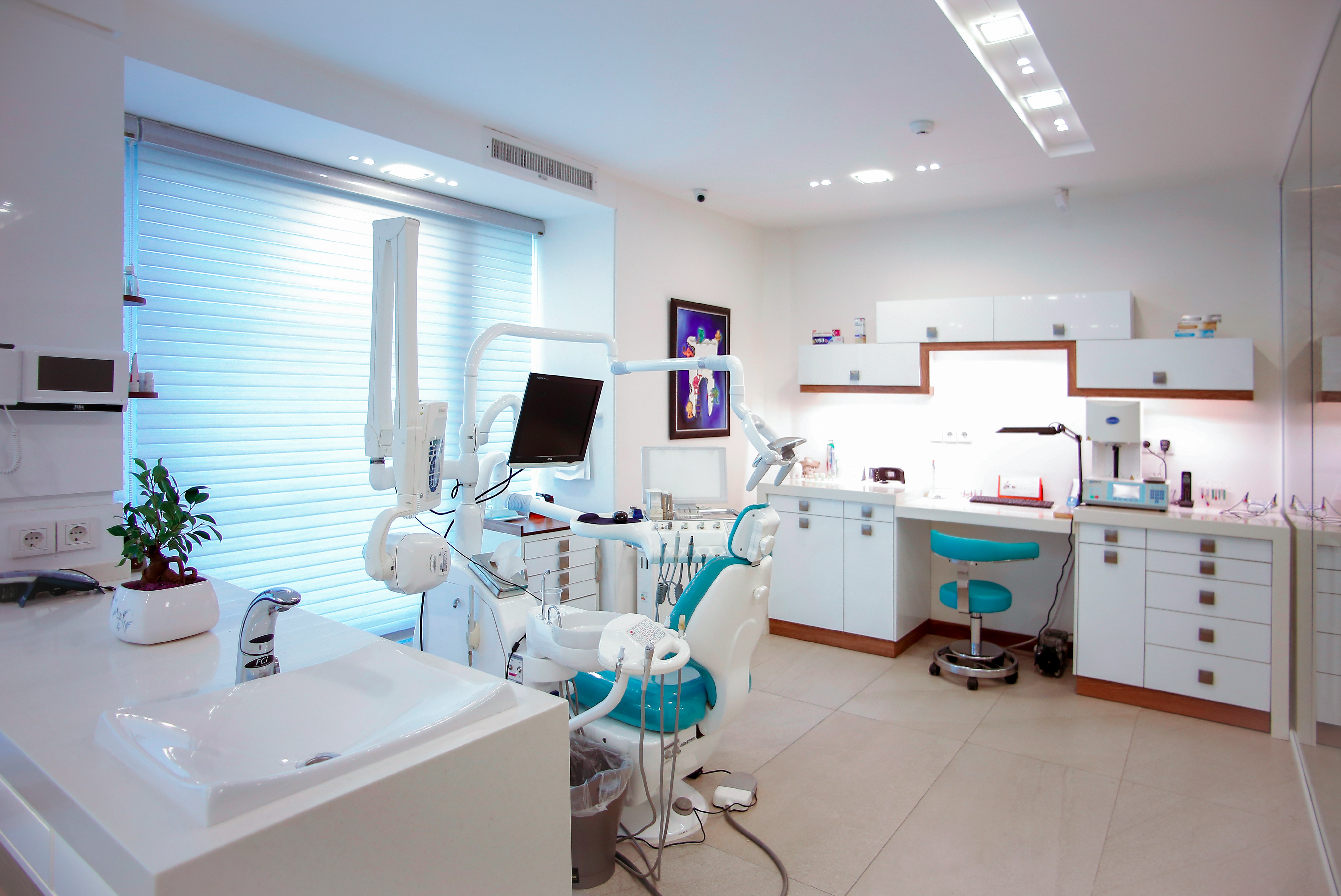
Choosing an aesthetic clinic is a big decision – after all, you’re trusting someone with your face and body. With so many options out there, how do you know which clinic is right for you? In this guide, we’ll walk you through everything you need to consider. From checking a clinic’s credentials to planning for your treatment day, these tips will help you feel confident and well-informed about your choice.
Check Qualifications and Credentials
One of the first things to look at is the clinic’s qualifications and certifications. You want to be sure you’re in safe, qualified hands. Don’t be shy about researching the practitioners’ backgrounds – find out if they are medically trained (for example, doctors, nurses, or dentists) and if they have specialised training in aesthetics.
Look for memberships or registrations that signal quality. For example, clinics led by medical professionals might be registered with bodies like the Care Quality Commission (CQC) in England or Healthcare Improvement Scotland (HIS) in Scotland. Many top practitioners also join voluntary registers such as Save Face or the Joint Council for Cosmetic Practitioners (JCCP).
Always choose a clinic where treatments are carried out by suitably qualified and experienced practitioners. If in doubt, ask to see their credentials – a good clinic won’t mind you verifying their qualifications.
Insist on a Face-to-Face Consultation
Never underestimate the importance of a face-to-face consultation before any treatment. Meeting in person allows you to get a feel for the clinic and the staff – and it gives them a chance to understand your needs fully.
Any reputable clinic will offer a no-obligation, in-person consultation before you commit to a procedure. If a clinic tries to skip this step or only offers a quick phone chat, consider it a red flag.
Use the consultation to ask questions, observe the cleanliness of the environment, and assess how the staff make you feel. Do they take the time to listen? Do they offer clear, honest answers? A trustworthy clinic will ensure you feel comfortable and informed before moving forward.
Share Your Goals and Concerns Openly
An aesthetic treatment is very personal, and a good clinic knows that listening to you is key. From the first meeting, you should feel comfortable discussing your goals, expectations, and any worries you have.
Ask about potential risks or side effects, the recovery process, and realistic outcomes. If staff seem dismissive or pushy, that’s not the clinic for you. You should leave feeling understood and confident that they have your best interests at heart.
Seek Experience and Personalised Care
When it comes to cosmetic treatments, experience matters. Ask how long the practitioner has been performing the treatment and how often. An experienced injector or therapist is more likely to manage different anatomies and respond to any issues.
Equally important is finding a clinic that offers personalised treatments. Avoid one-size-fits-all providers. A good clinic will tailor a plan just for you and offer options based on your individual needs.
Look for clinics that schedule proper time for consultations and offer follow-up appointments. Personalised care also includes clear aftercare instructions and proper insurance coverage.
Read Reviews and Testimonials
Reading reviews from other patients can provide valuable insight into what your experience might be like. Look for reviews on platforms like Google, Trustpilot, or other independent sites. Be cautious with clinics that only post glowing feedback on their own site or social media.
Pay attention to patterns in reviews. Do people praise the consultation process, staff professionalism, and treatment outcomes? Word of mouth from friends and family can also be a reliable source of feedback.
Prepare for Your Procedure: Dos and Don’ts
Once you’ve chosen your clinic, it’s important to prepare properly. Here’s some tips on what to do and what to avoid:
✅ Tips:
- Do Stay hydrated in the days before treatment.
- Do Get a good night’s sleep before your appointment.
- Do Eat a normal, light meal beforehand unless advised otherwise.
- Do Follow any clinic-specific instructions given to you.
- Do Ask about whether to stop taking any blood-thinning medications/supplements (like aspirin, ibuprofen, vitamin E, fish oil) seek advice from your GP.
- Do Skip any harsh skincare treatments, sunbeds, or peels in the week before.
- Don't drink alcohol Avoid any alcohol for at least 24–48 hours before treatment.
- Don’t arrive wearing makeup or products on the treatment area unless told otherwise.
Make sure to wear comfortable clothing and give yourself enough time before and after the appointment. Some people find it helpful to bring a friend or plan something relaxing afterwards.
Frequently Asked Questions (FAQ)
How do I choose an aesthetic clinic?
Start by researching the clinic’s qualifications, reputation, and services. Look for experienced staff, preferably medically trained, and clinics registered with bodies like the CQC, HIS, or JCCP. Read reviews on independent platforms, book a face-to-face consultation, and see how comfortable and informed you feel. Trust your instincts.
Do aesthetic clinics need to be CQC registered?
In England, clinics offering only non-surgical cosmetic treatments usually do not need CQC registration unless they offer medical or surgical procedures. In Scotland, clinics led by medics must register with Healthcare Improvement Scotland (HIS). In Wales, registration with HIW is needed for treatments using lasers or IPL. In Northern Ireland, registration is required for laser/IPL treatments via RQIA, but not for injectables like Botox.
What is the new law on aesthetics in the UK?
The UK is introducing a mandatory licensing scheme for aesthetic practitioners. Starting in England, anyone offering non-surgical cosmetic treatments (like Botox and fillers) must have a licence from their local authority. This includes meeting training, hygiene, and safety standards. Other UK nations are reviewing or introducing similar changes.
What is the new aesthetic law 2025?
From 2025, it will become a legal requirement in England for anyone performing non-surgical aesthetic treatments to hold a valid practitioner licence. Clinics may also need premises licences. The law is designed to ensure practitioners are qualified and safe, reducing risks for patients. Similar reforms may follow in Scotland, Wales, and Northern Ireland.
By checking credentials, asking questions, reading reviews, and preparing properly, you can make a safe and confident decision when choosing your aesthetic clinic.